
Crawling and indexing are the most important steps of your SEO strategy, as they determine your rankings. But how do you know that these processes are actually happening? And what can you do to speed up the process? This blog article will answer all of those questions so that you can be sure that your site is indexed and ranked correctly.
What is SEO?
SEO is the process of optimizing a website for Google search with the goal of earning higher web traffic levels and improving the visibility of the site.
What is Crawling?
Crawling is the process whereby a search engine discovers new content on the web. In order to do this, they send out what are called ‘spiders’ or ‘bots’ which scour the internet looking for new websites and pages to add to their index. Once a page has been discovered, the search engine will then ‘crawl’ it, which basically means they will read through the page’s content in order to understand what it is about.
The process of crawling and indexing can take some time, so new pages and websites may not appear in search results immediately. However, once a page has been crawled and indexed, it can start to rank for relevant keywords.
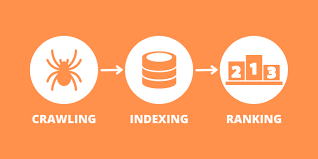
To sum up, crawling is the process whereby a search engine discovers new content on the web; indexing is when they add this content to their database; and ranking is when they determine where this content should appear in search results.
What is Indexing?
Indexing is the process of adding a web page to a search engine’s database. The index is what allows users to find specific information when they search for it. When a user types in a query, the search engine looks through its index to find the most relevant results.
The process of indexing starts with web crawlers, also known as spiders. Spiders are programs that visit websites and collect information about their content. They then send this information back to the search engine, where it is added to the index.
Once a web page has been indexed, it can appear in search results. However, this does not guarantee that it will rank high in those results. The position of a result is determined by the search engine’s algorithms, which take into account many factors such as relevance and popularity.
There is no easy way to achieve a high ranking on a search engine. However, there are some general guidelines that can help your pages be more likely to be indexed and ranked highly. These include creating high-quality content, using keywords strategically, and building links from other respected websites.
What is Ranking?
Ranking is the process of determining where a website should appear in search engine results pages (SERPs). This is based on factors like keyword relevance, site quality, and user behavior.
Search engine algorithms are constantly changing, so what may have worked to rank a site yesterday may not work today. That’s why it’s important to keep up with the latest SEO news and trends.
One common misconception about ranking is that it’s all about getting more inbound links. While links are still a factor, they’re not as important as they once were. Google now looks at other signals, like social media engagement and content quality, to determine where sites should rank.
So what can you do to improve your ranking? The most important thing is to create high-quality content that’s relevant to your target audience. If you can do that, you’ll naturally attract links and social shares, which will help your site rank higher in the long run.
How to Rank Pages High in the SERPS
If you want your pages to rank high in the search engine results pages (SERPS), there are a few things you need to know about crawling, indexing, and ranking. Here’s the truth about how these three factors affect your website’s visibility.
Crawling:
The first step in getting your pages indexed and ranked is for search engine crawlers to find them. Crawlers follow links from one page to another, and they index the content they find along the way. The more links your pages have to other popular and well-indexed pages, the more likely it is that they’ll be crawled by a search engine.
Indexing:
Once a search engine has found and crawled your pages, it will attempt to index them. This process involves adding your pages to the search engine’s database of websites. The better your pages are optimized for relevant keywords, the more likely it is that they’ll be indexed by a search engine.
Ranking:
After your pages have been indexed, they can then be ranked in the SERPS based on their relevance to a given keyword or phrase. The better your pages are optimized for relevant keywords, the higher they’ll rank in the SER
Conclusion
If you want to improve your website’s SEO, it’s important to understand how crawling, indexing, and ranking work. Crawling is the process whereby search engines send out ‘spiders’ to collect data from websites. This data is then used to create an index, which is a database of all the words on all the pages on the Internet. Ranking is determined by algorithms that take into account factors such as the number of times a particular word appears on a page, the position of that word on the page, and whether or not other websites link to that page. By understanding how these three processes work, you can start to make changes to your website that will improve its SEO and help it rank higher in search engine results pages.
 Lead Generation Toolkit
You must be logged in to post a comment.