
Account-based marketing (ABM) is a strategy that can be applied to any business, no matter the size. ABM or “account-based marketing” is an approach to reach out and connect with key decision makers who have the power to drive revenue for your company. This article will show you some of the top tactics that companies are using and prove why it’s important to have an ABM strategy.
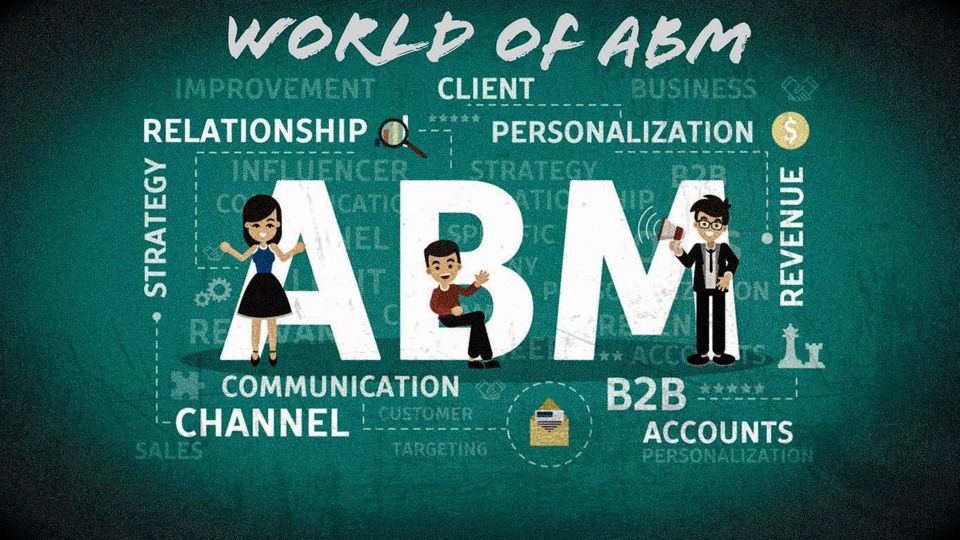
What is Account-Based Marketing?
Account-based marketing is a strategic approach to B2B marketing that focuses on targeting and engaging individual accounts, rather than targeting entire markets. By customizing your marketing messages and offers to the specific needs of each account, you can create a more relevant and impactful experience for your target customers. Additionally, account-based marketing can help you better align your sales and marketing efforts, resulting in a more efficient use of resources and a higher rate of closed deals.
If you’re looking to improve your B2B marketing results, account-based marketing may be the right approach for you. To learn more about how it works and how to get started, check out our guide: What is Account-Based Marketing?
What are the benefits of ABM?
ABM can be extremely beneficial for companies that are selling complex products or services to large organizations. By taking a targeted and personalized approach, ABM can help you better identify and engage with high-value accounts, leading to improved sales pipeline velocity and ultimately more closed deals.
How does ABM work?
ABM is a targeted marketing approach that focuses on key accounts. The goal is to create personalized campaigns that align with the specific needs of each account. ABM can be used to target new accounts or to deepen relationships with existing customers.
There are three main elements to ABM:
1. Identifying and segmenting your target accounts
2. Creating personalized campaigns for each account
3. Measuring successes and ROI
The ABCs of Account-Based Marketing
Account-based marketing (ABM) is a type of B2B marketing that focuses on key accounts and tailoring marketing efforts to them. This strategy is often used when targeting high-value accounts that are important to the company.
ABM requires a different approach than traditional marketing, as it is more targeted and personalized. It is important to understand the specific needs of each account and create a unique value proposition.
Some top tactics for ABM include:
1. Define your target accounts: Who are your ideal customers? What are their specific needs?
2. Create personalized content: Once you know who your target accounts are, you can create content that is tailored to them. This could include blog posts, infographics, eBooks, or whitepapers.
3. Reach out and engage: Once you have targeted content, reach out to your target accounts and engage with them. This could include sending personal emails, connecting on LinkedIn, or meeting in person.
4. Measure and optimize: As with any marketing effort, it is important to measure the results of your ABM campaign and optimize accordingly. Track metrics such as website traffic, leads generated, and deals closed.
How to Build a Successful ABM Strategy
Are you looking to increase engagement and drive revenue with your account-based marketing (ABM) strategy? If so, you’re in the right place. In this blog post, we’ll share some of the top tactics that will help you achieve success with ABM.
1. Define your target accounts.
The first step to success with ABM is to define your target accounts. This means identifying the specific companies or industries that you want to target with your marketing efforts. Once you have a list of target accounts, you can start to develop targeted campaigns specifically for them.
2. Create personalized content.
One of the best ways to engage your target accounts is to create personalized content for them. This could include creating custom landing pages, blog posts, eBooks, or even just sending personal emails. The more personalized your content is, the more likely it is that your target accounts will engage with it.
3. Use account-based advertising.
Another great tactic for driving engagement and revenue with ABM is to use account-based advertising. This involves targeting ads specifically at the decision-makers within your target accounts. This way, you can be sure that your ads are being seen by
What Tools Can I Use?
When it comes to account-based marketing, there are a few key tools that can help you increase engagement and drive revenue. Here are a few of the top tools to consider:
1. Salesforce: Salesforce is a powerful CRM tool that can help you manage your accounts and keep track of your engagement with each one.
2. Marketo: Marketo is a great marketing automation tool that can help you automate your account-based marketing campaigns and get better results.
3. HubSpot: HubSpot is another powerful CRM tool that can help you manage your accounts and track your engagement. In addition, HubSpot offers a number of great marketing tools that can help you automate your campaigns and get better results.
4. Pardot: Pardot is another great marketing automation tool that can help you automate your account-based marketing campaigns and get better results.
5. Eloqua: Eloqua is another powerful marketing automation tool that can help you automate your account-based marketing campaigns and get better results.
How Do I Measure Results?
There are a lot of different ways to measure the results of your account-based marketing campaigns. You can track things like open rates, click-through rates, conversion rates, and engagement levels. You can also look at the overall revenue that your campaigns generate.
The best way to measure results is to track a combination of metrics. This will give you the most complete picture of how your campaigns are performing. Make sure to track both Engagement and Revenue numbers so you can see which tactics are driving the most results.
Conclusion
If you’re looking for a way to increase engagement and drive revenue, account-based marketing may be the answer. With account-based marketing, you can target specific accounts and customize your marketing approach to fit their needs. This type of marketing can be extremely effective in driving results, and it’s definitely worth considering if you’re looking for new ways to grow your business. Thanks for reading!
 Lead Generation Toolkit
You must be logged in to post a comment.