
This article will teach you all about the basics of Local SEO and how to create successful campaigns for your local business!
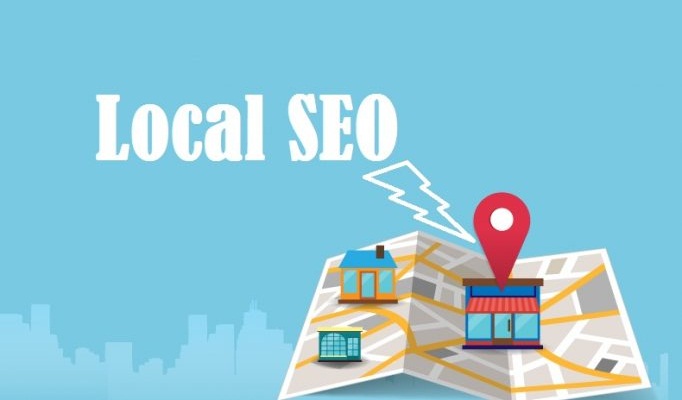
What is Local SEO?
Local SEO is the process of optimizing your online content for the search engines with the goal of earning higher rankings in local search results. It is a subset of general SEO, and while it shares many similarities with traditional SEO tactics, there are a few key differences.
One of the main goals of Local SEO is to increase your visibility in the “local pack” – the section of the SERP (search engine results page) that displays three local businesses based on the searcher’s location. In order to do this, you need to make sure your site is optimized for both local searches and mobile devices, as more and more people are using their phones to search for businesses nearby.
Here are a few tips to get started with Local SEO:
1. Make sure your NAP (name, address, phone number) is consistent across all your online listings.
2. Optimize your website for local keywords.
3. Add photos and videos to your listings.
4. Encourage customers to leave reviews on your Google+ page or other review sites.
5. Claim your listing on directories like Yelp, Foursquare, and CitySearch.
Why Should You Care About Local SEO?
If you’re a small business owner, you may be wondering why you should bother with local SEO. After all, doesn’t SEO just apply to big companies with national or even international reach?
The answer is no! Local SEO can be extremely beneficial for small businesses. Here’s why:
1. People search for local businesses online
According to a recent study, 97% of consumers use the internet to search for local businesses. This means that if your business doesn’t show up in local search results, you’re missing out on a lot of potential customers.
2. Local SEO is more affordable than other marketing strategies
Compared to other marketing strategies like print advertising or TV commercials, local SEO is relatively affordable. And since it’s targeted to people who are already interested in what you have to offer, it can be a very effective way to spend your marketing budget.
3. Local SEO can help you stand out from the competition
If your competitors aren’t doing local SEO, then you have a great opportunity to get ahead by Optimizing your site for local search. This will help you attract more customers and grow your business.
4. Local SEO is easy to do yourself
How Do You Get Started With Local SEO?
There are a number of ways to get started with local SEO. The most important thing is to make sure that your website is optimized for local search. This means including your city and state in your titles and tags, as well as making sure your NAP (name, address, phone number) is prominently displayed on your site.
In addition, you’ll want to create locally-targeted content that talks about your city or region. This could be anything from blog posts about local events to guides for businesses in your area. By creating this kind of content, you can show potential customers that you’re an expert on local topics – which will encourage them to do business with you.
Finally, don’t forget to list your business in online directories like Yelp and Google My Business. These listings help improve your visibility in local search results, making it easier for potential customers to find you.
What Types of SEO Tools Are Available to Help You Out?
There are a variety of SEO tools available to help you with your local SEO efforts. Here are a few of the most popular:
1. Google My Business: This is a free tool from Google that allows you to manage your business listing on Google Search and Maps.
2. Moz Local: This tool helps you to optimize your listing on over 25 different directories, including Google, Yahoo, and Bing.
3. Yext: Yext offers a suite of tools to help you with your local SEO, including business listings management, reviews and reputation management, and more.
4. Whitespark: Whitespark offers a variety of tools to help with local SEO, including citation building and directory submission.
5. LocalVox: LocalVox offers a platform that helps you to manage your online presence across multiple directories and platforms.
How Can a Small Business Use Local SEO To Grow and Connect With Potential Customers in the Area?
A small business can use local SEO to improve its visibility in search engine results pages for searches related to its products or services. Local SEO can also help a small business connect with potential customers in the area. By optimizing its website for local search and adding relevant content, a small business can attract new visitors and convert them into paying customers.
Why is Local SEO Important to Your Internet Marketing Strategy?
As a small business, it is essential to have a strong local SEO strategy in place to ensure that your target audience can easily find your products or services online. Local SEO helps to improve your visibility in search engine results pages (SERPs), which can lead to more website visitors and ultimately more customers.
There are many benefits of optimizing your website for local search, including:
• Increased web traffic: More people will be able to find your website when they search for keywords related to your business or product.
• Higher conversion rates: If people can easily find your website, they are more likely to make a purchase.
• Improved brand awareness: A higher ranking in SERPs will help to increase the visibility of your brand and improve name recognition.
• Greater customer insights: By tracking your local SEO performance, you can gain valuable insights into the needs and wants of your target audience.
If you want to improve your local SEO, there are a few things you can do, such as:
• Optimize your website for specific keywords related to your location.
• Create localized content, such as blog posts or infographics about topics that are relevant to people in your
How To Root Your Business In Your Local Area
If you want your local business to thrive, you need to put in the effort toroot it in your local area. That means making sure your business is visible and accessible to potential customers in your locality. And one of the best ways to do that is through Local SEO.
Local SEO is all about optimizing your online presence to attract more local customers. It involves claiming and optimizing your Google My Business listing, building local citations, creating local content, and more.
But why is Local SEO so important? Well, for one thing, 97% of consumers use the internet to find local businesses. And of those, 61% say they are more likely to contact or visit a business that has a strong online presence.
In other words, if you want your local business to be successful, you need to make sure it’s visible online. And that’s where Local SEO comes in. By claiming and optimizing your GMB listing, building local citations, and creating local content, you can make your business more visible and accessible to potential customers in your area.
So if you’re ready to start driving more traffic and sales from your local market, read on for our complete guide to Local
Setting Up a Local SEO Strategy (inbound links, social media, digital marketing)
As the owner of a local business, you may be wondering how to get started with a local SEO strategy. After all, you want your business to show up in search engine results when potential customers in your area are looking for products or services that you offer. And you also want to make sure that your website is optimised for mobile devices, since more and more people are using their smartphones and tablets to search for businesses like yours.
So where do you start? Inbound links are always a good place to begin. Make sure that your website is linked to from your social media profiles, as well as any other websites or online directories that are relevant to your industry. You can also encourage other websites to link to your site by writing guest blog posts or creating helpful resources that other site owners will want to link to.
Of course, social media is also crucial for promoting your local business online. Post regularly on Twitter, Facebook, and Instagram, and make sure to include relevant hashtags so that potential customers in your area can find you easily. And don’t forget about digital marketing: run targeted ads on Google or social media platforms, and make sure your website is listed in online directories like Yelp or Fours
Identify and Create Great Content for Customers in Your Area
If you’re a local business, then you know how important it is to nurture your local customer base. One way to do this is by creating great content that appeals to them. But what exactly constitutes “great” content? Here are some tips to get you started:
1. Know your audience. This may seem like a no-brainer, but it’s worth repeating. In order to create content that resonates with your local customers, you need to first understand who they are and what they’re interested in. What are their needs and pain points? What sort of information are they looking for? Once you have a good grasp on these things, you’ll be better equipped to create content that truly speaks to them.
2. Keep it relevant. Again, this ties back to knowing your audience. Once you understand what sort of information they’re looking for, make sure that your content is relevant to their needs. Don’t try to force a square peg into a round hole – if something isn’t relevant to your local customers, there’s no point in including it in your content strategy.
3. Make it engaging. Even if your content is relevant and useful, it won’t matter much if it’s not
Know Who Your Target Audience Is And Make Sure You Reach Them Everywhere
If you’re running a local business, it’s important to make sure you’re reaching your target audience. The first step is to know who your target audience is. Once you know who they are, you need to make sure you’re reaching them through all the channels they use. This includes search engines, social media, and even traditional marketing channels like print and television.
Make sure your website is optimized for local search engine results. This means including your city and state in your titles and tags, as well as creating content that is relevant to your local area. You should also create profiles on all the major local directories, such as Google My Business, Yelp, and Foursquare.
Make sure you’re active on social media. This is a great way to connect with potential customers and promote your business. Post regularly and interact with people who mention or tag your business.
Finally, don’t forget about traditional marketing channels. Make sure your business is listed in the phone book and that you’re running ads in local newspapers and on local radio stations. By reaching your target audience through all of these channels, you’ll be sure to grow your local business.
Use the Right Keywords That Will Help Bring Customers to You Locally
If you’re like most small businesses, you want to attract customers who live or work near you. After all, it’s easier and cheaper to serve local customers than customers who are farther away. That’s where local SEO comes in.
Local SEO is the process of optimizing your website and online presence for local search. This includes things like claiming your Google My Business listing, optimizing your website for local keywords, and building citations.
The goal of local SEO is to make it easy for people to find your business when they’re searching for products or services like yours in their local area. And when you optimize your website for local search, you can also improve your chances of being found in organic search results.
To get started with local SEO, the first step is to identify the right keywords to target. These are the keywords that potential customers are using when they search for businesses like yours in their local area.
To find the right keywords, start by brainstorming a list of terms that describe what you do and what makes your business unique. Then, use a keyword research tool like Google Keyword Planner or Moz Keyword Explorer to see how many people are searching for those terms in your area.
Conclusion
If you’re running a small business, then you should definitely be aware of local SEO and how it can benefit your business. Local SEO is all about optimizing your online presence to rank higher in search engine results for searches related to your location. By doing this, you’ll be more visible to potential customers who are searching for businesses like yours in their area. And as we all know, more visibility means more customers and more sales. So if you’re not already using local SEO to boost your business, now is the time to start.
 Lead Generation Toolkit
You must be logged in to post a comment.