
In today’s digital world, search engines have become a crucial tool for businesses to reach their target audience. However, with the rise of artificial intelligence (AI) technology, there’s growing concern about how it will impact traditional search engine optimization (SEO). Will AI take over and dominate the search engine game? Or can SEO strategies still hold their ground? Join us as we dive into the battle between SEO and AI and determine who comes out on top in this epic showdown.
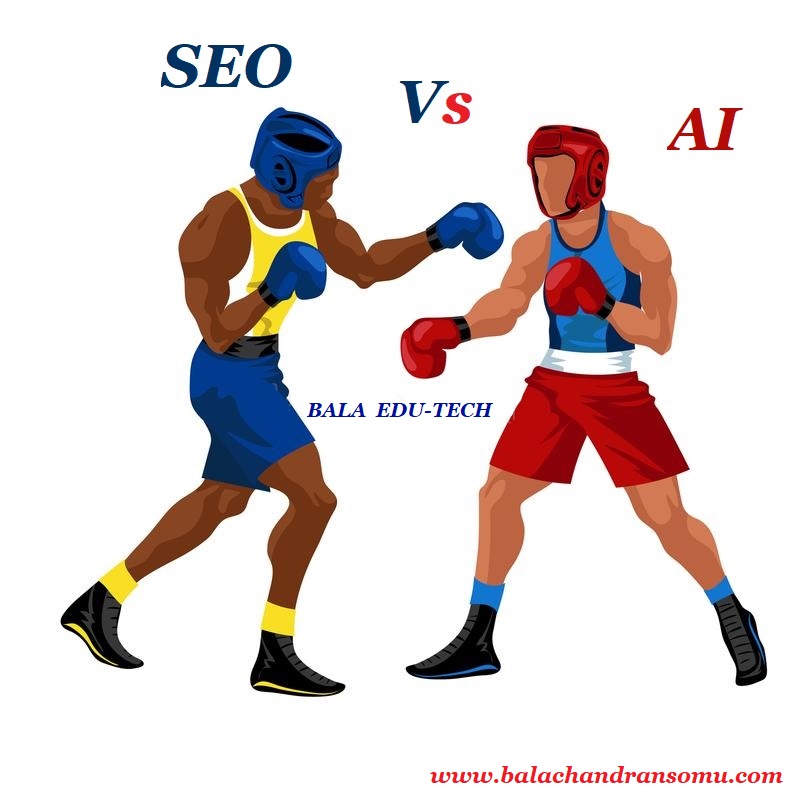
Introduction to SEO and AI
Search engine optimization (SEO) and artificial intelligence (AI) are two of the most popular buzzwords in the digital marketing world. But what do they really mean? And more importantly, who will win the battle between SEO and AI?
To answer these questions, we need to understand what SEO and AI are all about.
SEO is the process of optimizing a website for Google’s search engine. The goal is to improve the visibility of the site and make it more likely to appear in search results pages (SERPs).
There are a number of factors that go into SEO, including on-page optimization (such as keyword research and Meta tags) and off-page optimization (such as link building).
AI, on the other hand, is the process of using computers to simulate human intelligence. This can be used for a number of tasks, including understanding natural language and making predictions.
In terms of search engines, AI is being used more and more to personalize search results. This means that different users will see different results for the same query, based on their individual preferences and interests.
So, who will win the battle between SEO and AI? It’s hard to say for sure. However, one thing is certain – both SEO and AI are here to stay. As long as there are people searching for information online, businesses will need to optimize their websites for search engines. And as long as there are businesses
How SEO and AI Work Together in Search Engines
When it comes to search engines, there is a battle brewing between SEO and AI. But what exactly are these two terms and how do they work together in search engines?
SEO, or search engine optimization, is the process of optimizing a website for Google’s search algorithm. This can be done through various means, such as choosing the right keywords to target, increasing website speed, and improving user experience.
AI, or artificial intelligence, is the use of computers to mimic human intelligence. In the context of search engines, AI is used to interpret and understand user queries. This allows for more relevant results to be displayed in response to a user’s query.
So how do SEO and AI work together in search engines? Well, Google’s algorithm takes into account both SEO and AI when determining which websites to rank for a particular query. This means that a website that is optimised for both SEO and AI will have a better chance of ranking higher than a website that is only optimised for one or the other.
Of course, this doesn’t mean that all you need to do to win the search engine game is focus on SEO and AI. There are other factors that come into play, such as social signals and brand mentions. However, if you want to give your website the best chance of ranking highly on Google, then you need to make sure you’re optimising for both SEO and AI.
Benefits of SEO and AI
When it comes to SEO and AI, there are benefits to both. Here’s a look at some of the benefits of each:
Benefits of SEO:
1. You have more control over your ranking. With SEO, you can take steps to improve your ranking on search engines.
2. SEO is less expensive than other marketing techniques like pay-per-click advertising.
3. Good SEO can help you build trust and credibility with potential customers.
4. It can help you reach a global audience. People from all over the world use search engines to find information. If you optimize your site for search engines, you can reach a global audience.
5. It can help you generate leads and sales. If people can find your site easily, they’re more likely to contact you or buy from you.
6. It can help you build brand awareness. When people see your site at the top of the search results, they’ll start to associate your brand with quality and authority.
7 A good SEO strategy can help yourank for long-tail keywords, which are usually more specific (and therefore convert better).
8 .It can give you an edge over your competition .If two businesses are selling the same product, the one with the higher ranking will get more traffic and sales .
9 It’s an evergreen marketing technique . Once you achieve a high ranking , it takes less
Challenges of SEO and AI
As digital marketers, we’re always looking for ways to improve our search engine optimization (SEO) efforts. And lately, it seems like everyone is talking about artificial intelligence (AI). So, what’s the deal? Can AI really help us with SEO?
The short answer is: yes and no. Let’s take a closer look at the challenges of SEO and AI.
One challenge of using AI for SEO is that it can be difficult to know which keywords to target. With so much data out there, it can be overwhelming to try to figure out which keywords will be most effective. That’s where keyword research comes in. Keyword research is a process that helps you identify which keywords are most likely to bring traffic to your site.
There are a number of different tools you can use for keyword research, including Google AdWords Keyword Planner and Moz Keyword Explorer. Once you’ve identified a few potential keywords, you’ll need to create content that includes those keywords. This means writing blog posts, creating landing pages, and generally making sure your website is optimized for those keywords.
And that’s just the beginning! Once you’ve created your content, you’ll need to promote it through link building and social media. This can be time-consuming and challenging, especially if you’re starting from scratch. But don’t worry – there are plenty of resources out there to help you with this part of the process (including our very own Moz Blog!).
Strategies for Optimizing Your Website for SEO and AI
As the battle between SEO and AI rages on, there are a few key strategies you can use to optimize your website for both. Here are a few tips:
1. Use keyword-rich titles and descriptions: This will help your website rank higher in search engine results pages (SERPs), as well as giving you a better chance of being featured in rich snippets.
2. Structure your content with headlines and subheadings: Breaking up your content into smaller, digestible chunks makes it easier for both humans and bots to understand and process.
3. Incorporate imagery and videos: Adding visuals to your content can help break up the text and make it more engaging. Additionally, search engines favor websites with images and videos, so this is a win-win situation.
4. Optimize your website for mobile: With more people using mobile devices to access the internet, it’s crucial that your website is optimized for smaller screens. This includes things like making sure your text is easily readable and that your website loads quickly.
5. Take advantage of voice search: As voice search becomes more popular, it’s important to optimize your website for this technology. This means using natural language keywords and phrases, as well as including long-tail keywords since these are more likely to be used in spoken searches.
Future of SEO and AI
The future of SEO and AI is likely to be a battle between the two forces, with each trying to outdo the other in terms of search engine ranking. However, there are some who believe that AI will eventually prevail over SEO, as it is able to constantly evolve and adapt its algorithms to better suit the needs of users.
Conclusion
The battle between SEO and AI is a game that will continue to evolve as technology advances. While both are important tools for gaining visibility on search engines, it’s clear that the ultimate winner is the web user. As each side continues to refine its strategies, users should benefit from improved organic content discovery, better personalization of results, and more accurate responses to their queries. Ultimately, only time will tell who will come out ahead in this ongoing struggle between SEO and AI – but by focusing on providing quality content and utilizing smart practices such as creating an effective keyword strategy for optimization purposes, you can help ensure your website comes out on top!
 Lead Generation Toolkit
One response to “The Battle between SEO and AI: Who Wins the Search Engine Game?”
How is the generative AI (the chat stuff) new to AI. Aren’t google bots using AI to make predictions about which sites will rank higher?
LikeLike