
Marketing funnels guide prospects from the first point of Awareness all the way to Conversion—and beyond. By mapping each step of the customer journey, you can tailor your messaging, product offers, and follow-up tactics to create a seamless, high-impact experience. Below, you’ll find four funnel models, each with distinct advantages and strategic touchpoints.
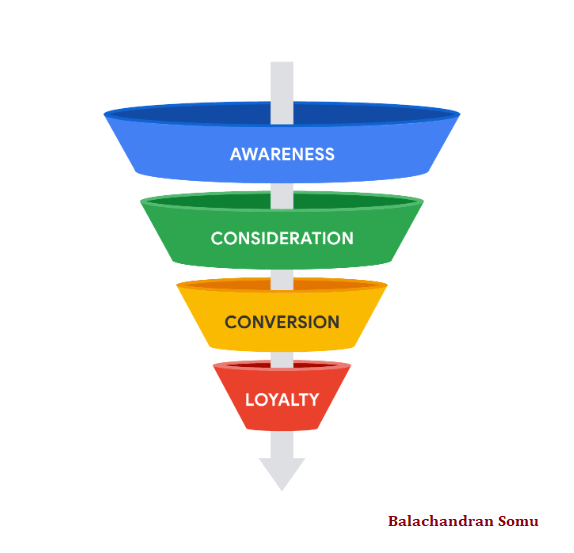
Awareness
Key Point: Capture potential customers’ attention.
Focus your efforts on social media ads, blog posts, and influencers to introduce your brand.
Consideration
Key Point: Nurture leads with deeper information.
Offer case studies, FAQs, and product demos to help them evaluate your solution.
Conversion
Key Point: Turn interested leads into paying customers.
Employ persuasive calls-to-action (CTAs), special discounts, or limited-time offers.
Loyalty
Key Point: Transform first-time buyers into brand advocates.
Engage in follow-up emails, loyalty programs, or referral incentives to keep them coming back.
Why It Matters:
Encourages systematic lead nurturing so no prospect is overlooked.
Emphasizes post-purchase engagement to build loyalty and maximize customer lifetime value.
Funnel #1: Awareness → Consideration → Conversion → Loyalty
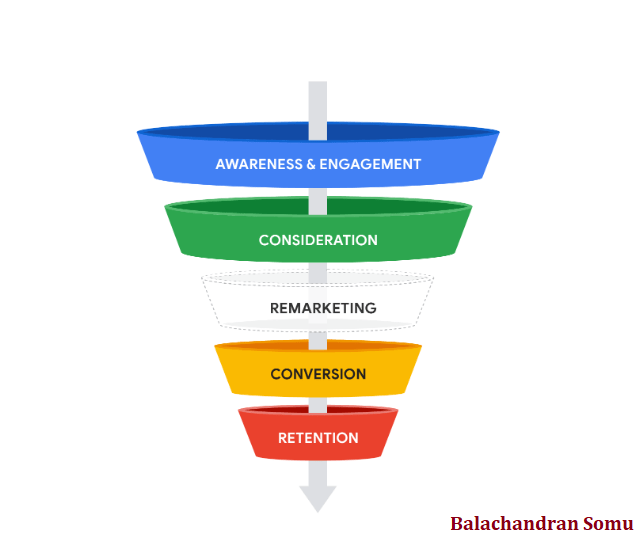
Funnel #2: Awareness & Engagement → Consideration → Remarketing → Conversion → Retention
Awareness & Engagement
Key Point: Spark interest and prompt initial interaction.
Leverage engaging content (videos, interactive polls) to attract and involve your audience from the start.
Consideration
Key Point: Encourage deeper exploration of your products/services.
Provide comparison guides, reviews, and informational webinars to help prospects weigh options.
Remarketing
Key Point: Re-capture potential customers who didn’t convert on the first pass.
Utilize pixel tracking, email campaigns, or retargeting ads to remind them of your brand’s value.
Conversion
Key Point: Seal the deal and gain new customers.
Simplify the checkout or sign-up process and offer compelling reasons to act immediately.
Retention
Key Point: Keep current customers engaged and satisfied long-term.
Use loyalty perks, subscription models, or VIP access to prevent churn.
Why It Matters:
Emphasizes an always-on approach, ensuring customers remain engaged through every stage.
Remarketing drastically improves conversion rates by reconnecting with previously interested prospects.
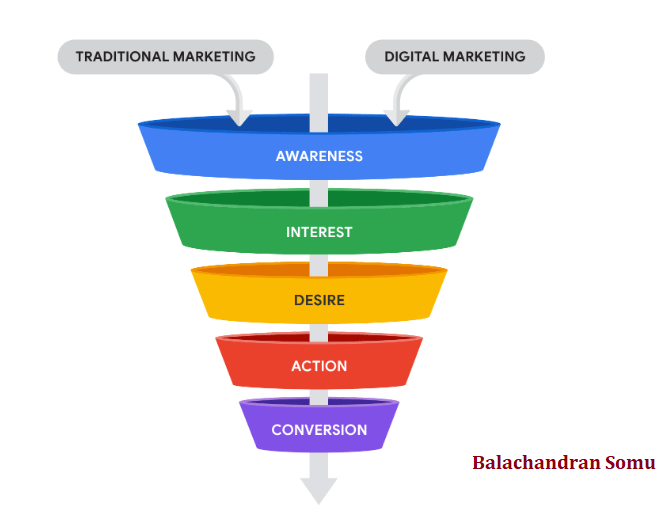
Funnel #3: Traditional vs. Digital Marketing (Awareness → Interest → Desire → Action → Conversion)
Awareness
Key Point: Capture broad attention via traditional and digital channels.
Combine offline advertising (TV, radio, billboards) with online tactics (PPC ads, SEO-optimized content).
Interest
Key Point: Keep potential customers intrigued.
Share valuable blog posts, newsletters, or product samples that encourage them to learn more.
Desire
Key Point: Build an emotional connection to what you offer.
Showcase testimonials, social proof, or behind-the-scenes content that portrays the benefits vividly.
Action
Key Point: Prompt customers to make a final move.
Offer exclusive promotions, easy online checkouts, or mobile-friendly purchase processes.
Conversion
Key Point: Complete the sale or desired goal.
Use a seamless payment experience and timely follow-up communications to confirm their choice.
Why It Matters:
Recognizes that emotional triggers (Desire) can significantly impact buying behavior.
AIDA (Awareness, Interest, Desire, Action) remains a robust foundation—use both traditional and digital methods for maximum brand exposure.
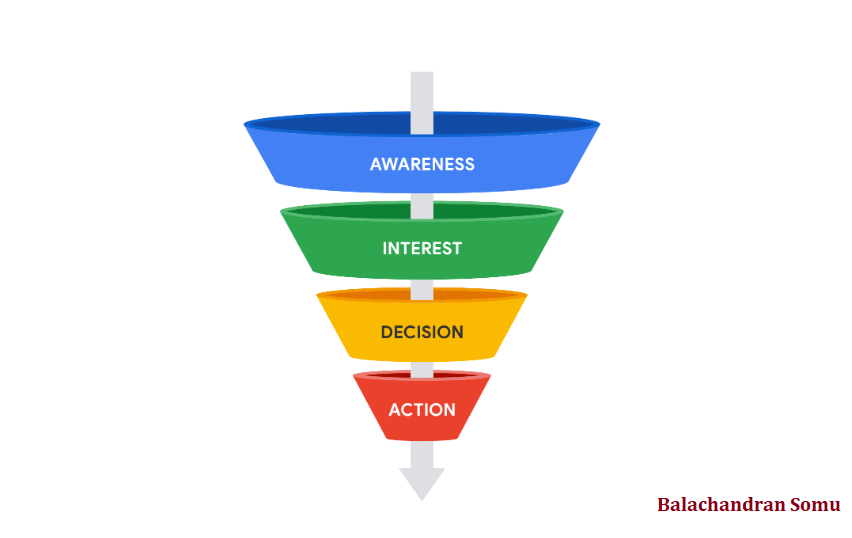
Funnel #4: AIDA Revisited (Awareness → Interest → Decision → Action)
Awareness
Key Point: Generate brand visibility and initial touchpoints.
Post engaging social content or run a targeted ad campaign to highlight your unique value.
Interest
Key Point: Build curiosity with potential leads.
Use captivating blog posts, downloadable guides, or interactive webinars that answer common pain points.
Decision
Key Point: Help prospects confidently choose your offering.
Provide side-by-side comparisons, user reviews, and Q&A sessions to address doubts.
Action
Key Point: Convert interest into measurable results.
Streamline sign-up forms, incorporate strong CTAs, and remove friction from the purchase process.
Why It Matters:
Speeds up the sales cycle when done with clear, direct calls-to-action at each stage.
By relabeling “Desire” as “Decision,” you emphasize rational choice-making, helping you target specific objections or hesitations.
Key Reasons These Funnels Boost Marketing Success
Efficient Resource Allocation
- Focus ad spend and content creation on the funnel stages where leads are dropping off.
- Avoid a one-size-fits-all approach by tailoring each message to the relevant funnel stage.
Improved User Experience
- Prospects feel understood as they receive relevant, timely information.
- Reduces customer frustration by delivering the right content at the right time.
Higher Conversion Rates
- By nurturing leads at every step—Awareness, Consideration, Remarketing, etc.—you reduce friction and build trust.
- The Remarketing stage can resurrect abandoned carts and encourage returning visitors.
Stronger Brand Loyalty
Loyal customers often become brand ambassadors, boosting referrals and repeat sales.
Post-purchase follow-up cultivates long-term relationships and organic word-of-mouth.
How to Get Started
Set Clear Goals
- Key Point: Define success metrics (e.g., leads generated, demo sign-ups, purchases) for each funnel stage.
Align Content with Funnel Stages
- Key Point: Map out blog posts, videos, or webinars to address specific user questions at each step.
Leverage Automation & Remarketing
- Key Point: Use email drip campaigns, pixel tracking, and retargeting ads to re-engage interested but hesitant prospects.
Test, Measure, and Refine
Key Point: Track performance (click-through rates, conversion rates) and optimize your funnel based on real data.
Final Thoughts
Whether you choose a classic AIDA model or a modern funnel with Remarketing and Retention, the fundamental principle remains the same: guide your prospects logically and emotionally from initial interest to long-lasting loyalty. By adopting one (or all) of these funnel frameworks—and continually refining your approach—you’ll establish a resilient marketing engine that delivers consistent results. Embrace the funnel mindset to power up your business growth and stand out in today’s competitive marketplace!
 Lead Generation Toolkit
You must be logged in to post a comment.